科学家如何确定座头鲸是否会在多年内返回山美纳湾?
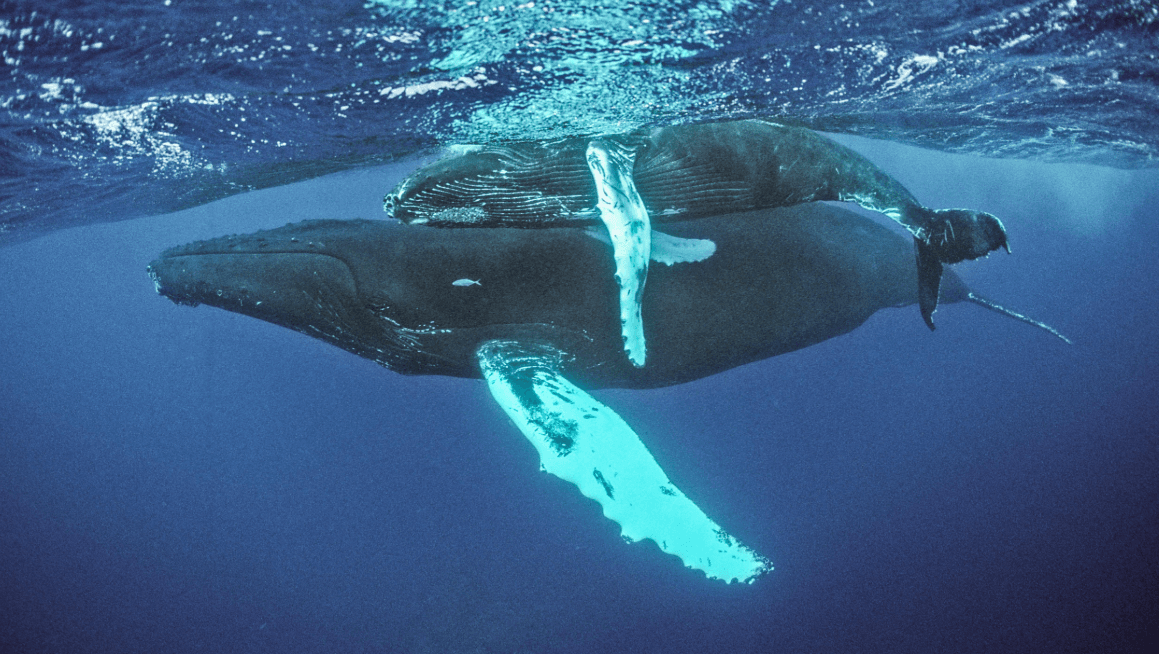
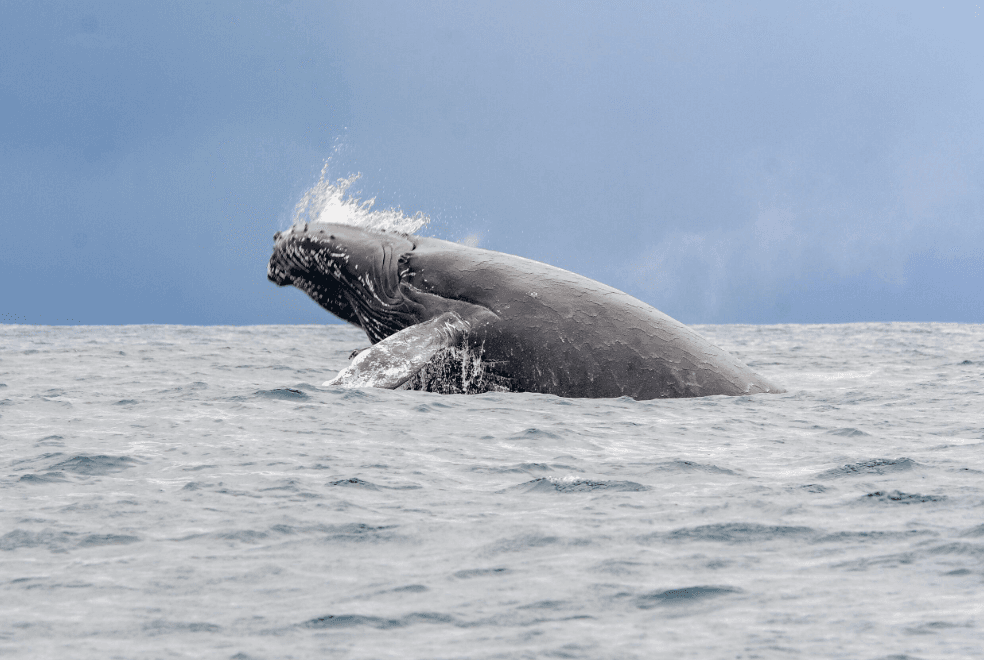
每年,座头鲸都会迁徙到加勒比海的温暖水域,使多米尼加共和国的山美纳湾成为观鲸的热门目的地。 有些鲸鱼在繁殖季节可能会被多次看到,而另一些鲸鱼可能会在不同年份返回该地区。
但是科学家如何知道本季节拍摄的鲸鱼是否是几年前记录的同一个体?
研究人员使用长期摄影记录、独特的物理标记、目击数据库和仔细记录的观察结果来调查重复访问。 这些方法帮助科学家了解鲸鱼随时间的运动情况,并更多地了解个体动物如何利用重要的季节性栖息地。
为什么科学家要研究返回的座头鲸?
确定个体鲸鱼是否返回萨美纳湾有助于研究人员了解多个繁殖季节的栖息地使用模式。
单次目击提供了有关鲸鱼在某个特定时刻的信息。 几年内的重复目击可以揭示更长的历史。
例如,研究人员可以调查某条鲸鱼是否在多个季节在海湾中被拍摄过,是否在其他地方也有记录,或者它的目击历史是否表明与该地区反复出现的联系。
长期记录可以帮助回答几个问题:
- 个别鲸鱼会在不同年份返回山美纳湾吗?
- 再次观察到先前发现的鲸鱼的频率如何?
- 在该地区记录到的某些个体是否比其他个体更频繁?
- 不同繁殖季节的鲸鱼的目击事件是否将鲸鱼联系起来?
- 现有证据如何有助于了解迁徙和栖息地利用?
这些问题对于海洋科学和保护非常重要。 然而,研究人员必须区分已确认的返回和与之前拍摄到的鲸鱼相似的动物。
科学家如何在多年后识别同一头鲸鱼?
最有用的工具之一是照片识别。
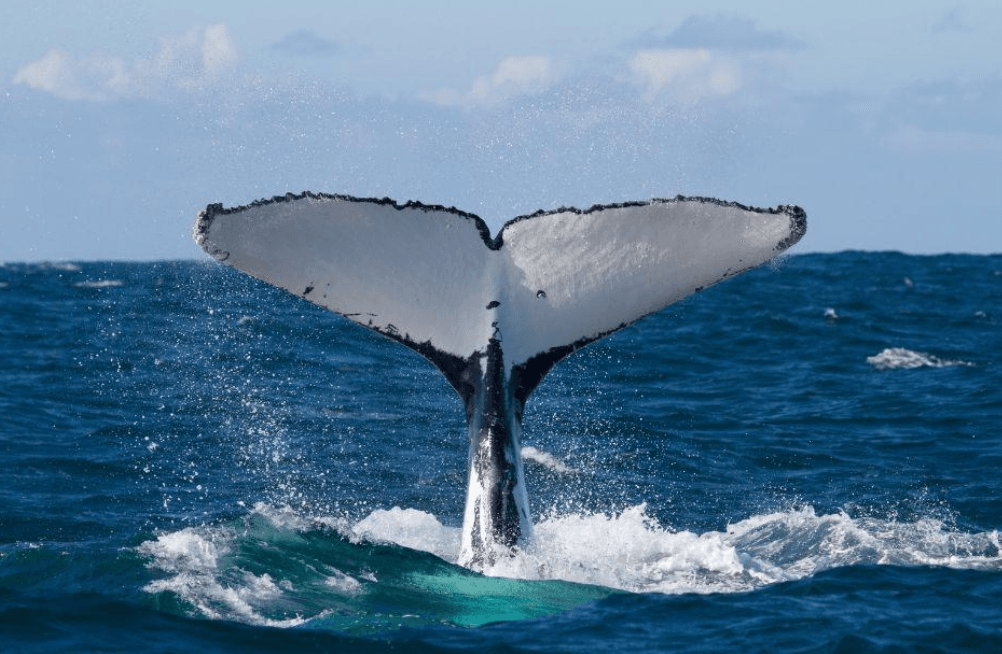
座头鲸的尾鳍下侧有独特的图案。 这些图案可能包括色素沉着、明暗区域对比、疤痕和其他识别特征的差异。
研究人员拍摄尾吸虫并将图像与之前收集的照片进行比较。 如果区别特征足够匹配,这些图像可能会被分配给同一个人。
A successful match can connect a recent sighting with an older record, even when the photographs were taken years apart.
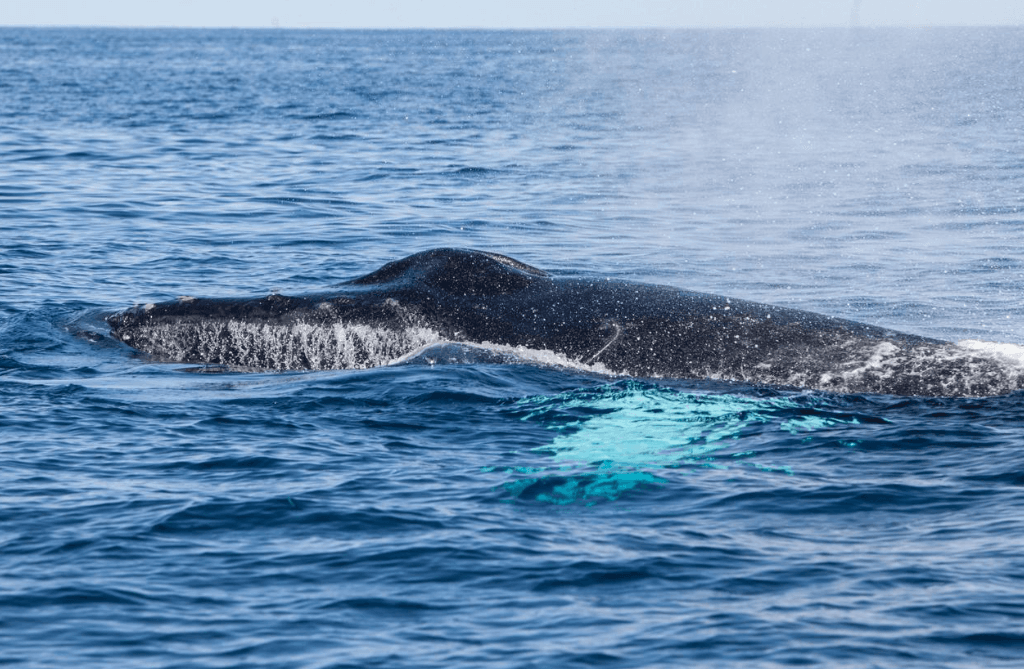
Researchers may also use other visible characteristics, such as dorsal-fin shape and distinctive scars, as supporting information. 然而,这些功能的实用性因个人和照片而异。
照片识别并非万无一失。 照明不佳、尾部视图不完整、可见标记的变化以及图像质量低都会使比较变得困难。 Scientists therefore assess the quality of the evidence before accepting a match.
What Is a Long-Term Whale Identification Database?
A whale identification database is a collection of photographs and associated observation records used to document individual animals over time.
Depending on the research project, a record may include:
- A unique identification code for an individual whale.
- Photographs of its tail flukes or other identifying features.
- The date and location of each sighting.
- Notes about image quality and identification confidence.
- Observations of calves or other associated whales.
- Records of sightings from previous seasons or other locations.
When researchers receive new photographs, they can compare them with existing 记录以寻找潜在的匹配。
数据库允许不同日期的观察结果成为更长历史的一部分。 It can also help prevent repeated sightings of the same whale from being mistakenly counted as separate animals.
The usefulness of a database depends on accurate recordkeeping, consistent identification methods, and appropriate checks for duplicate or uncertain records.
How Do Researchers Confirm a Return in a Different Year?
Imagine that a humpback whale is photographed in Samaná Bay during one breeding season. Researchers record its distinctive tail-fluke markings and store the photograph alongside the sighting date and location.
During a later season, another research team photographs a whale with apparently matching markings.
Researchers can compare the two photographs, paying attention to the overall pattern, the distribution of light and dark areas, and any distinctive scars or other features. If the match is sufficiently reliable, the two observations can be linked to the same individual.
The different dates establish that the whale was documented in the region in more than one year.
However, a confirmed repeat sighting does not necessarily establish that the whale spent the entire intervening period elsewhere or followed a specific route. The animal may have visited locations where it was not photographed, and the available records cannot reveal every part of its journey.
Scientists report what the evidence supports rather than filling gaps with assumptions.
Does Every Humpback Whale Return to Samaná Bay Every Year?
No. Researchers should not assume that every humpback whale returns to the same bay every year.
Whale sightings can vary between seasons, and an individual may be recorded in one year but not detected in another. That absence does not automatically mean the whale failed to return.
It might have visited a different part of the region, remained outside the surveyed area, or gone unnoticed because observation conditions were poor.
Some whales may also use different areas across their seasonal range. Their movements can vary with individual behavior and other ecological factors.
The available evidence must therefore be interpreted carefully. A record of a whale returning in several years demonstrates repeat use, but it does not prove that every individual follows the same schedule.
How Do Scientists Distinguish a Missing Whale From an Unobserved Whale?
This is a central challenge in wildlife research.
Suppose a whale was photographed in Samaná Bay in one season but was not identified there the following year. Scientists cannot conclude from that missing record alone that the whale did not visit the bay.
The chance of observing a whale depends on several factors, including survey effort, visibility, weather, the location of the animal, and whether its tail flukes are photographed clearly enough for identification.
Researchers may examine the number of surveys conducted, the locations covered, and the quality of the observations before interpreting the absence of a record.
Statistical methods can also help scientists estimate how likely 将在不同的调查条件下检测动物。 Such methods are especially useful when researchers want to understand patterns that cannot be established through sightings alone.
The key distinction is simple: not being recorded is not the same as being proven absent.
Can Researchers Follow a Whale Between Breeding Seasons?
Yes, but the amount of information available varies.
A whale identified in Samaná Bay in one year may later be photographed at another location. 如果识别可靠,研究人员可以连接记录并确定在两个地方都观察到同一个人。
这种联系有助于了解鲸鱼的迁徙路线和地理范围。
研究人员可以将照片识别与不同研究项目维护的目击数据库结合起来。 当记录被共享和仔细匹配时,鲸鱼的记录历史可以跨越多个地点和年份。
电子跟踪设备可以在适当的研究中提供额外的运动信息,但它们不会连续或无限期地跟踪每头鲸鱼。 照片识别记录仍然很有价值,因为它们可以在不给动物安装设备的情况下重复收集。
即使有几条记录,研究人员也可能不知道鲸鱼两次目击之间的确切路线。
重复目击可以告诉我们关于鲸鱼保护的什么信息?
重复目击可以帮助科学家识别鲸鱼在多个季节使用的区域。
如果可靠的记录表明个别鲸鱼反复出现 访问某个特定地区,证据可以有助于了解该栖息地的重要性。 这些信息可能有助于为监测计划、保护规划和负责任的野生动物旅游提供信息。
长期记录还可以帮助研究人员认识到观察到的鲸鱼分布的变化。 然而,在得出鲸鱼数量增加或减少的结论之前,必须考虑调查工作和检测率的差异。
一年内拍摄的照片数量较多并不自动意味着鲸鱼数量较多。 它还可以反映更多的游览、更好的观测条件或改进的数据收集。
可靠的保护决策取决于将识别记录与其他相关科学证据相结合。
鲸鱼观察者如何帮助进行长期研究?
游客有时会拍摄可能有助于识别座头鲸的照片。 当尾鳍底部的清晰图像包含有关照片拍摄地点和时间的可靠信息时,它们尤其有价值。
有兴趣为研究做出贡献的人应遵循公认的研究组织或已建立的公民科学计划的指示。
有用的做法包括:
- 无论何时,都保留原始照片 可能。
- 准确记录日期和位置。
- 根据要求提供完整图像,而不是经过编辑或大量裁剪的版本。
- 避免未经证实的鲸鱼已被识别的说法。
- 遵循负责任的操作员的野生动物观赏规则和指示。
并非每张旅游照片都适合科学鉴定。 即便如此,在经验丰富的研究人员审查时,记录齐全的观察结果有时可以提供额外的信息。
摄影永远不应优先于乘客的安全或鲸鱼的福利。
常见问题
科学家如何知道座头鲸是否返回萨美纳湾?
研究人员将独特特征(尤其是尾鳍图案)的照片与早期季节收集的记录进行比较。 可靠的匹配可以确定同一个人在多年内被观察到。
座头鲸可以在第一次看到多年后被识别出来吗?
是的。 独特的尾爪标记对于长期识别仍然有用。 研究人员仍然必须评估图像质量和可见特征的任何变化。
如果一年没有看到鲸鱼,是否意味着它没有回来?
不。 它可能访问过未被调查或未被发现的区域。 科学家区分了没有目击记录和确认没有的情况。
所有座头鲸都会返回同一繁殖区吗?
不一定。 鲸鱼个体可以使用其季节范围的不同部分,并且现有证据并不支持假设每头鲸鱼每年都会返回同一地点。
鲸鱼照片可以帮助科学家研究迁徙吗?
是的。 当在不同地点可靠地识别个体时,这些记录可以帮助建立目击事件之间的联系并提高对记录的活动的理解。
为什么鲸鱼识别数据库很重要?
它们使研究人员能够组织照片,连接重复的目击事件,减少重复计数,并研究跨季节和地点的个体鲸鱼。
结论
科学家通过连接不同地点的可靠识别记录来调查座头鲸是否返回山美纳湾 年。 照片识别、详细的目击信息和长期数据库帮助研究人员区分重复访问和新观察。
这些记录提供了有关鲸鱼个体如何利用其季节性栖息地的宝贵证据。 它们也有重要的局限性:没有被拍照的鲸鱼不能自动被视为不存在,两次目击并不能揭示它们之间的每一个动作。
通过保持准确的记录并仔细评估照片匹配,研究人员可以更清晰地了解座头鲸的运动情况,并为多米尼加共和国水域中这些非凡动物的长期保护做出贡献。

Local explorer & expert guide in Saona Island Beach.